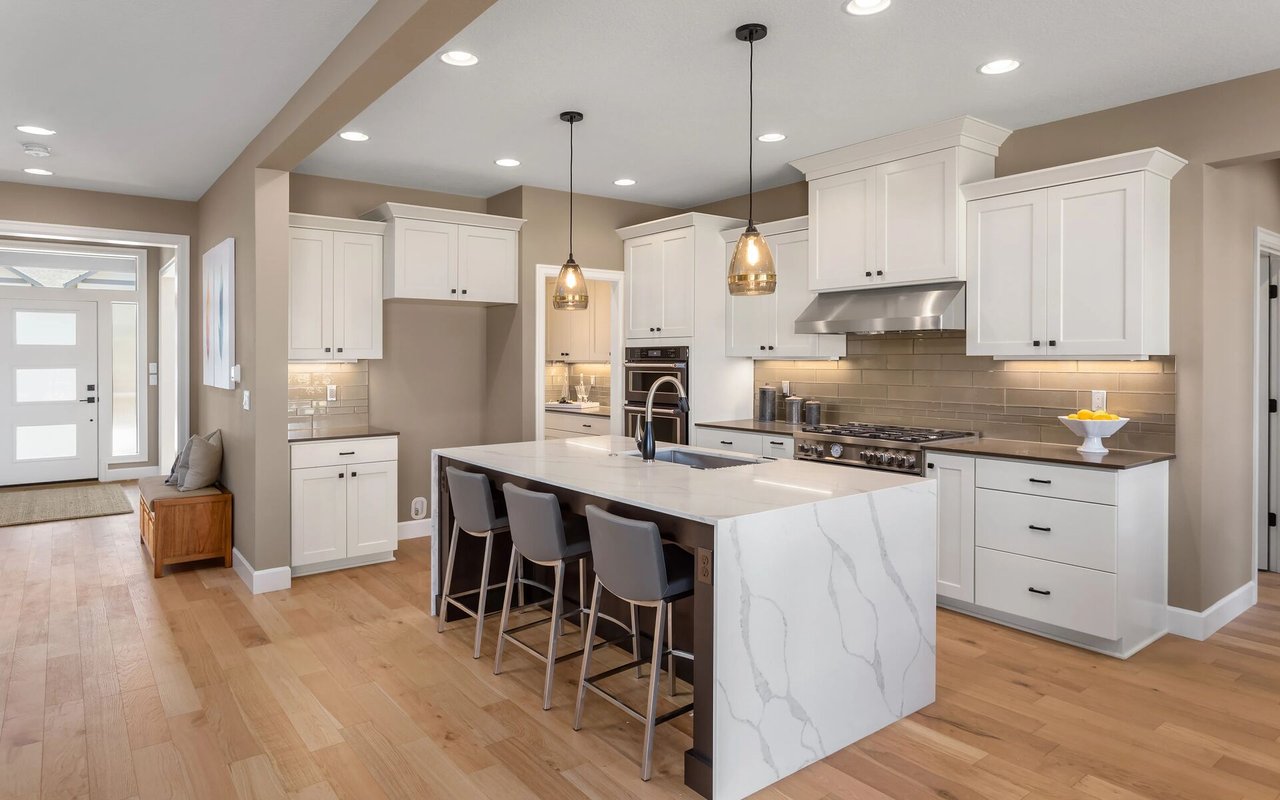
Sellers usually think buyers are paying attention to the big things. Square footage. Kitchen finishes. Bathroom updates. The age of the roof. The price. Those things matter, sure. But they are not always the first things buyers notice. What buyers notice first is usually much simpler, and much more emotional. ## They notice how the home feels. That is what **what buyers notice immediately when they walk into your home** really comes down to. It is not just what they see. It is what hits them in those first few seconds before they have even reached the kitchen. ## They notice light. A bright home feels better right away. It feels cleaner, more open, more inviting. Natural light changes the mood of a space before buyers ever start thinking logically. A dark home, even a good one, can feel heavier and smaller than it really is. ## They notice smell. This is one sellers get wrong all the time because they are used to their own house. Pets. Cooking. Mustiness. Strong candles. Air fresheners. Laundry detergent. Even “clean” smells can be too much if they feel like they are covering something up. Buyers may not always say it, but they always register it. ## They notice clutter. Not because they are judging your life, but because clutter makes it harder to see the home. Too much furniture makes rooms feel smaller. Overfilled counters make storage feel limited. Personal items, collections, cords, piles, paperwork, and busy surfaces pull attention away from the house itself. ## They notice flow. The minute buyers walk in, they are trying to understand the layout, even if they do not realize they are doing it. Does the home feel open or awkward? Does it make sense? Can they move through it easily? Does one room naturally lead into the next, or does the whole thing feel cut up and off somehow? ## They notice maintenance. Not every detail, but the clues. Chipped paint. Scuffed walls. Dirty baseboards. Stained carpet. Loose handles. Burned-out bulbs. Old caulk. Dripping faucets. Worn floors. Small signs that the house has not been kept up the way it should have been. ## They notice temperature and comfort. If the home is too hot, too cold, stuffy, dark, loud, or just feels off, buyers feel that immediately. They may not always name it, but it affects how long they want to stay and how comfortable they feel picturing themselves living there. ## They also notice whether the home feels lived in or whether it feels ready. There is a difference. A home can still feel warm and personal without feeling chaotic. Buyers do not need a house to feel empty or cold. They do need it to feel easy. Easy to understand. Easy to move through. Easy to imagine themselves in.
CONTACT
MICHELLE Y. HENDERSON
(903) 452-6290
(713) 452-0390
[email protected]
ADDRESS
ONE RIVERWAY, STE 1700
HOUSTON, TX 77056